Installation Best Practices for Plastic Conduits
When it comes to electrical installations, ensuring a safe and efficient cable routing system is essential. Plastic conduits, particularly PVC, are a popular choice due to their durability, flexibility, and ease of installation. This article covers the best practices for installing plastic conduits, including the necessary tools, techniques, and tips to ensure a smooth and effective installation process.
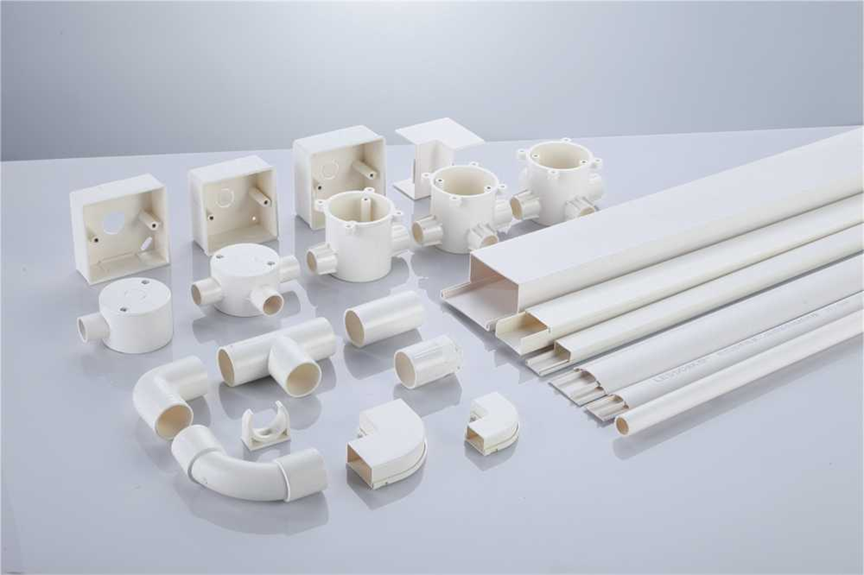
Key Installation Techniques for Plastic Conduits
The installation of plastic conduits requires careful planning and the right approach. Start by measuring and cutting the conduit to the desired lengths using a fine-toothed saw or conduit cutter. Ensure that the cuts are clean to avoid sharp edges that may damage the wiring inside. Properly fitting the plastic conduit to the electrical box or other components is crucial for a secure and functional system.
It is important to allow for slight expansion and contraction of the plastic conduit due to temperature changes. Leave appropriate gaps at the conduit’s ends and fittings to accommodate these shifts. This will help maintain the integrity of the conduit over time.
Tools and Materials for Effective Installation
For a successful installation of plastic conduits, it is essential to use the correct tools and materials. A pipe cutter or saw, a deburring tools, and appropriate conduit fittings are necessary to achieve clean and precise cuts. Plastic conduit fittings should be selected based on the type and size of the conduit being used, as this ensures a secure connection that prevents any leaks or breaks in the system.
Additionally, using conduit straps at regular intervals ensures the plastic conduit remains in place and is properly supported. This helps maintain the integrity of the installation and reduces the chances of sagging or movement that could interfere with the system.
Common Mistakes to Avoid
One of the most common mistakes in installing plastic conduits is over-tightening the fittings. This can cause cracking or distortion of the conduit, leading to potential damage to the electrical wiring. It is also important to avoid sharp bends in the conduit, as they can create pressure points that may weaken the material.
Conclusion
Proper installation of plastic conduits is crucial for creating a safe and efficient electrical system. By following the best practices outlined in this article, such as using the correct tools, ensuring proper fitting, and avoiding common mistakes, the result will be a durable and functional cable routing system. LESSO CAMBODIA provides high-quality plastic conduit products that ensure reliability and ease of installation for all types of electrical projects.
